
Ventricular Tachycardia Care
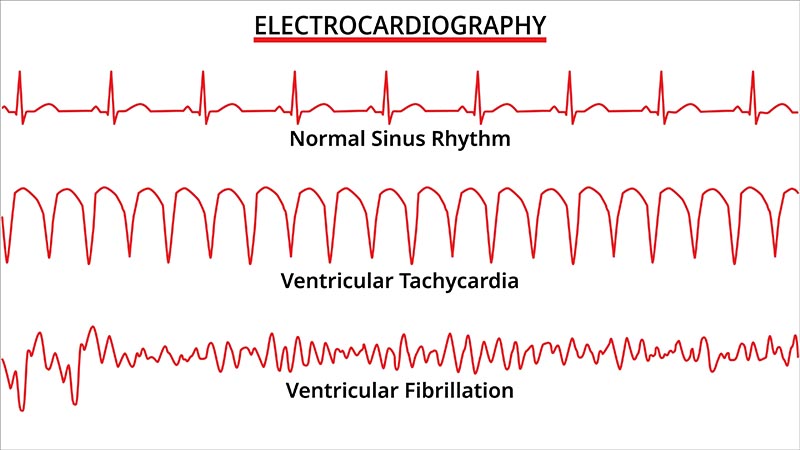
Ventricular tachycardia (VT) is a severe heart rhythm disorder that happens when the lower chambers of the heart beat too fast. If it is left untreated, complications can occur, including cardiac arrest. If you are experiencing these symptoms, it is crucial to understand what is happening and what can be done to manage it.
What is ventricular tachycardia?
Ventricular tachycardia is a kind of arrhythmia that starts in the heart’s lower chambers, known as the ventricles. Instead of beating in a controlled, steady rhythm, the heart races out of sync. This can limit the amount of blood flowing to the rest of the body, leading to symptoms like:
- A heart rate that feels too fast or irregular.
- Dizziness or near fainting.
- Shortness of breath.
- Chest pain or discomfort.
- Sudden loss of consciousness in severe cases.
VT can last for a few seconds or become persistent. In some cases, it resolves on its own, but in others, it needs immediate treatment to prevent life-threatening complications.
What causes Ventricular Tachycardia?
Several factors can trigger VT, including:
- Heart Disease: Conditions like coronary artery disease or previous heart attacks that damage heart tissue, leading to irregular rhythms.
- Structural Heart Issues: Conditions like cardiomyopathy or heart failure might increase the risk.
- Electrolyte Imbalances: Low potassium or magnesium levels can affect heart function.
- Inherited Conditions: Some people are born with genetic disorders that increase the risk of VT.
- Medication Side Effects: Certain drugs can disrupt the heart’s electrical system.
It is very important to understand the cause of VT to determine the right course of treatment.
How is Ventricular Tachycardia diagnosed?
Since VT can happen unpredictably, it may not always be detected during a routine check-up. To diagnose the condition, Dr Mtwesi may recommend:
- Electrocardiogram (ECG): A medical test records the heart’s electrical activity.
- Holter monitor or event recorder: Devices you wear to track heart rhythms over time.
- Electrophysiology study (EP study): A procedure that lays the heart’s electrical system out to locate irregular activity.
- Cardiac MRI or echocardiogram: Imaging tests to evaluate the heart structure and function.
These tests help identify the underlying cause of VT and find the best treatment approach.
How is Ventricular Tachycardia managed?
Managing VT depends on its severity and underlying cause. Treatment options include:
Medications
Antiarrhythmic drugs can help regulate the heart’s rhythm.
Catheter Ablation
A minimally invasive procedure that targets and eliminates the faulty electrical pathways causing VT.
Implantable Cardioverter Defibrillator (ICD)
A small device implanted under the skin that detects and corrects dangerous heart rhythms.
Lifestyle Changes
Managing stress, avoiding certain stimulates, and following a heart-healthy diet can help prevent episodes.
For some individuals, a combination of treatments may be needed to reduce the risk of future episodes.
Prioritise your heart health
Ventricular tachycardia is a serious condition, but it can be managed correctly. If you have been experiencing rapid or irregular heartbeats, do not ignore them. Early diagnosis and treatment can help limit the risks and improve your quality of life.
Book a consultation today so we can chat about your symptoms and explore your options for heart rhythm management.
Our Services
Contact
Netcare Alberton Hospital, 1 Netcare
Street, Newmarket Park, 1449
011 742 3598