
Electrophysiology Study (EP study)
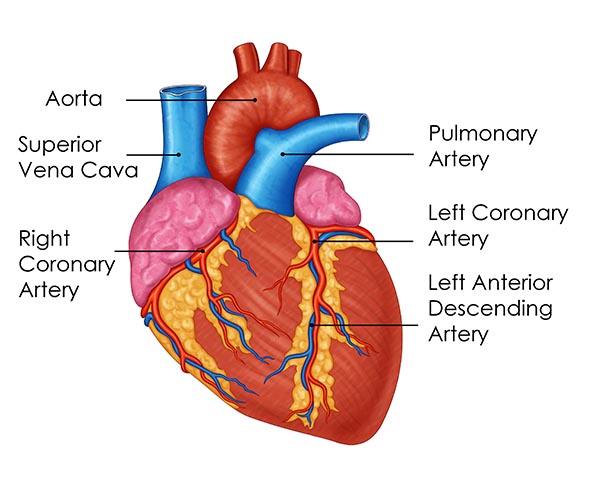
It can be unsettling when your heart’s rhythm feels off through symptoms like a racing heart or sudden dizziness. If routine tests have not provided clear answers, an Electrophysiology Study (EP study) may help pinpoint the cause. This test maps the electrical activity in your heart, detecting irregular rhythms and guiding the next steps for treatment.
What is an electrophysiology study?
An EP examines the electrical signals controlling your heartbeat. Tiny wires, called catheters, are carefully placed inside your heart through a vein in your groin. The catheters record your heart’s electrical activity, helping Dr Mtwesi identify any abnormal rhythms or areas causing irregular beats.
This study is especially helpful for diagnosing arrhythmias (irregular heartbeats) and determining whether treatment, such as medication, ablation, or a pacemaker, may be needed. The procedure is performed in a specialised lab using real-time imaging for precision.
Who might need an EP study?
Your doctor may recommend an EP study if you experience:
- Unexplained heart palpitations or rapid heartbeats.
- Fainting spells or dizziness with no clear cause.
- A known arrhythmia that needs further evaluation.
- A risk for developing serious heart rhythm problems.
If your symptoms are irregular or do not show up on routine tests, an EP study can give you and your doctor a more detailed and accurate diagnosis.
How should I prepare?
To ensure accurate results, you may be asked to:
- Stop eating or drinking for a few hours before the procedure.
- Adjust or avoid certain medications as directed by Dr Mtwesi.
- Organise with a close friend or family member to drive you home afterwards.
Dr Mtwesi will provide clear instructions before the test. Always remember to ask us what to expect during and after the procedure, if you have any concerns.
What happens during the procedure?
The EP study is performed under local anaesthesia with a mild sedation. A small tube is placed into a vein in your groin or arm, and thin catheters are guided through your heart. These catheters detect electrical signals and may also trigger abnormal rhythms, allowing doctors to study how your heart reacts. Depending on the complexity of your heart’s rhythm, the procedure usually lasts one to two hours.
What should I expect after the EP study?
Most patients go home the same day, but recovery involves a few essential steps, such as resting for a few hours after the procedure. You should also avoid heavy lifting and strenuous activities for a few days. Lastly, it is vital to attend follow-up visits to discuss the results.
Mild bruising at the catheter site is normal and should improve within a few days. If you notice increased pain, swelling, or unusual symptoms, contact Dr Mtwesi immediately.
Take control of your heart health
An EP study can provide valuable insights if you have been experiencing unexplained heart rhythm issues. Finding the cause of your symptoms is the first step toward proper treatment.
Schedule an appointment to see if an EP study is your next step.
Our Services
Contact
Netcare Alberton Hospital, 1 Netcare
Street, Newmarket Park, 1449
011 742 3598