
Physiological Pacing
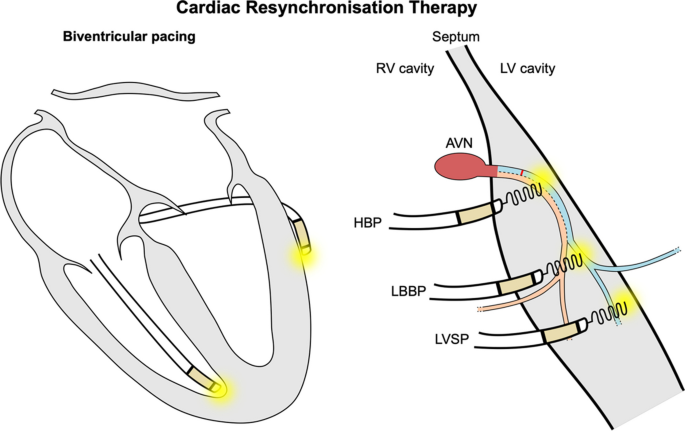
Every heartbeat should follow a natural rhythm so blood flows efficiently through the body. However, your heart’s electrical signals sometimes do not travel as they should, eventually causing fatigue, dizziness, or even heart failure. If your heart needs support, physiological pacing may be the right choice for you.
What is physiological pacing?
Physiological pacing is a method that helps your heart beat as naturally as possible. Unlike traditional pacemakers, which stimulate only one area of the heart, this method activates the heart’s natural conduction system. Your heart is then allowed to pump in a way that closely resembles its normal function.
We place a tiny wire in a precise part of your heart during the procedure to help it beat more naturally. This improves your heart’s rhythm and helps it pump blood more effectively, supporting your overall heart health.
Who might need physiological pacing?
You may benefit from physiological pacing if you have the following:
- A slow or irregular heartbeat that affects daily life.
- A need for long-term pacing and want to preserve natural heart function.
- A condition like heart failure, where pacing may improve heart performance.
This type of pacing is not necessary for everyone. Dr Mtwesi will assess whether it is the right choice based on your heart’s condition and overall health.
How do I prepare for the procedure?
We may advise that you avoid eating or drinking for several hours beforehand and change certain medications as directed by Dr Mtwesi. You may also need to arrange for someone to drive you home after the procedure.
What should I expect during physiological pacing?
The procedure is performed under local anaesthesia. A small incision is created close to the collarbone to insert the pacing lead. Using specialised video imaging, the lead is placed in the exact location needed to support your heart’s natural function. The pacemaker device is then implanted under the skin and connected to the lead. The procedure usually takes one to two hours.
What should I expect after the procedure?
Recovery is straightforward, but it is important to follow aftercare guidelines:
- Do not engage in heavy lifting and vigorous arm movements for a few weeks.
- Make sure the incision site is kept clean and dry.
- Attend follow-up appointments to monitor the pacemaker’s function.
It is normal to experience mild pain at the incision. This should improve within a couple of days. Contact Dr Mtwesi immediately if you experience swelling, redness, or unusual sensations.
The next step
Physiological pacing helps your heart work more naturally, supporting better long-term heart health. Book a consultation if you have been experiencing heart rhythm issues and want to explore your options. Understanding your heart’s needs is the first step toward feeling better.
Our Services
Contact
Netcare Alberton Hospital, 1 Netcare
Street, Newmarket Park, 1449
011 742 3598